Is Tradition Becoming Obsolete?
Culture & TourismVerticalOmni Presence
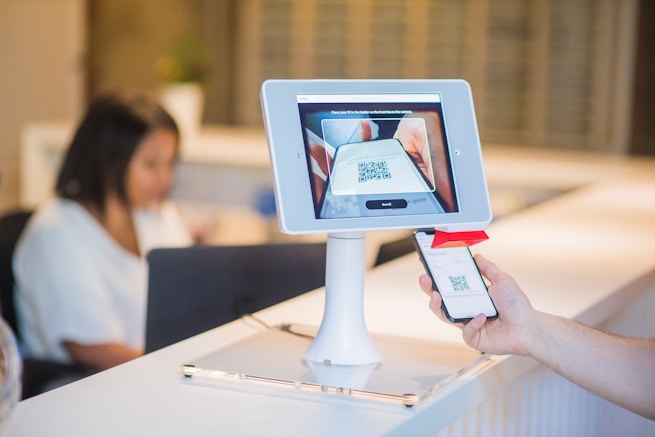
Although often described as enduring traditional values, traditional arts in the context of today’s explosion of information and digital technology are gradually becoming distant from younger generations. This growing distance can easily lead to the hasty conclusion that tradition is dry, outdated, and no longer relevant to modern life. Yet the core issue does not lie in the intrinsic value of cultural heritage itself, but rather in the way those values are communicated and experienced. As contemporary life becomes increasingly fast-paced, personalized, and closely intertwined with technology, traditional arts that remain confined to outdated modes of access and engagement inevitably risk being pushed to the margins.For this reason, technology should be recognized as a vital supporting platform that helps reframe cultural experiences and opens up new, more accessible, and more approachable channels for today’s audiences. By enhancing experience at every stage, from accessing information and participating, to engaging and appreciating, technology does not dilute the essence of tradition. On the contrary, it serves as a bridge that enables tradition to continue living, to be felt, and to accompany contemporary society in meaningful ways.Developing Culture Through Experience: When Technology Becomes a Companion PlatformIn the context of a rapidly moving contemporary society, the ways in which audiences engage with culture are undergoing significant shifts. Today’s audiences are drawn to the arts not only for their intrinsic artistic value, but also for the entirety of the experience, from the moment they encounter information, purchase a ticket, and enter the performance space, to the emotions that linger after leaving the theater. Within this transformation, the central question facing traditional arts organizations is no longer “How should we renew the work itself?” but rather “How can we enable audiences to approach the arts in a natural, convenient, and fulfilling way?”From this perspective, the application of technology should not be understood merely as a technical solution, but as a cultural development strategy rooted in experience. The intelligent, automated ticketing model developed in collaboration with technology partner Artech stands as a representative example of how technology can directly support and stimulate cultural life by redefining the audience’s journey of artistic appreciation.Through digital platforms, the cultural experience does not begin when the curtain rises, but rather from the very first interaction of the audience. With just a few simple steps, viewers can independently select performance times, choose suitable seating, and complete secure and transparent payments, without queuing or worrying about ticket availability. This convenience, though seemingly minor, has a profound impact in dismantling the invisible barriers that have long existed between the public, especially younger audiences and traditional theater.When obstacles to access are removed, culture no longer appears “distant,” “difficult,” or overly ceremonial, but instead becomes more approachable and integrated into everyday life. Technology, in this context, does not replace artistic values; it acts as a quiet, unobtrusive bridge, guiding audiences into the world of traditional forms with openness and readiness to engage. A smooth and coherent experience from the outset fosters positive emotions, strengthening audience connection and encouraging return engagement.Placing Experience at the Center: A Long-Term Cultural Development MindsetCultural development should move beyond preservation understood merely as static conservation. Instead, it should aim to create living, dynamic interactions between traditional arts and contemporary audiences. Each time an audience member actively purchases a ticket, selects a seat, enters the theater, and fully experiences a performance, they are not simply spectators, they become participants in an ongoing cultural continuum.From technological platforms such as digital ticketing, it becomes clear that contemporary cultural development is inseparable from technological support, yet not dominated by it. Technology functions as infrastructure, quiet yet essential, providing traditional arts with expanded space to exist, circulate, and regenerate within a new rhythm of life. When experiences are improved and connections strengthened, culture gains the opportunity not only to survive, but to be remembered and continually rewritten through the lived memories of today’s audiences.Enhancing experience through technology is therefore not merely an operational improvement, but a strategic pathway toward sustainable cultural development. It allows traditional arts to stand confidently within their time - flexible, vibrant, and alive - integrated into contemporary life, where each audience member can begin their cultural journey through the simplest of actions, yet arrive at deep and lasting emotional resonance.In conclusion, the question of cultural development does not hinge on whether “tradition is becoming obsolete,” but on how tradition is positioned within the context of the digital age. The distance between younger generations and traditional arts does not stem from the inherent value of heritage itself, but from modes of access, experience, and interaction that have yet to fully align with the fast-paced, technology-driven, and highly personalized nature of modern society.The emergence of technology is not a force that replaces culture, but a foundational support that helps restructure experience, allowing tradition to find an appropriate language of expression within contemporary life.
Dec 27, 2025